42 tongue label diagram
Tongue Histology - Connective Tissue and Taste Buds of Papillae Lamina propria of tongue #5. Skeletal muscle fibers (runs in different direction - longitudinal, transverse and per-pendicular) #6. Different lingual gland of tongue #7. Taste bud at tongue papillae Great, let's find these important structures from the tongue histology slide. Identification points of tongue histology slide Label Tongue Taste Areas Printout - EnchantedLearning.com The tongue is a strong muscle in the mouth that is covered with papillae (small bumps on the tongue) and taste buds (that sense bitter, salty, sweet, and sour tastes). The taste buds are clustered along the sides of the tongue. Read the descriptions, then label the tongue below. bitter - Bitter tastes (like the taste of tonic water) are mostly ...
Tongue Under Microscope with Labeled Diagram - AnatomyLearner Tongue Under Microscope with Labeled Diagram 19/11/2022 by anatomylearner The tongue under a microscope shows a core of crisscrossing skeletal muscle bundles and a peripheral mucous membrane. A stratified squamous epithelium covers the mucous membrane of the tongue and contains 4 types of papillae.
Tongue label diagram
PDF Label Tongue Taste Diagram - mycohi.org Label Tongue Taste Diagram- Answers The tongue is a strong muscle in the mouth that is covered with papillae (small bumps on the tongue) and taste buds (that sense bitter, salty, sweet, and sour tastes). The taste buds are clustered along the sides of the tongue. Read the descriptions, then label the tongue below. Tongue Structure - Parts and Functions of Tongue - BYJU'S The human tongue is about 3.3 inches in men and 3.1 inches in women. It is located in the oral cavity. The tongue is divided into three parts: Tip Body Base The tongue is embryologically divided into the anterior and posterior part. Tongue Diagram with Detailed Illustrations and Clear Labels - BYJU'S Tongue Diagram The tongue is an organ responsible for the manipulation of food during the process of chewing (also called mastication). Moreover, it is also responsible for the sensation of taste (along with the nose). Hence, you cannot taste or smell food when you have a fever or cold.
Tongue label diagram. Tongue | Anatomy, Parts, Pictures, Diagram of Human Tongue The top of the tongue (superior surface) has a V-shaped line known as the terminal sulcus that divides the tongue into the anterior and posterior surfaces. The anterior surface is made up of the apex at the tip and body. The posterior surface is made up entirely of the root. Tongue: Anatomy, Function, and Disorders - Verywell Health The visible parts of the tongue include: Root: This is most often defined as the back third of the tongue. It sits low in the mouth and near the throat, and it is relatively fixed in place. It is attached to the hyoid bone and mandible (lower jaw). It is close in proximity to two muscles: the geniohyoid and mylohyoid muscles. Anatomical Structure of Human Tongue (With Diagram) | Biology Tongue (Fig. 9.5) is made up of three elements; epithelium, muscles and glands. The epithelium is stratified and non-cornified. Two types of special structures are seen on it; the papillae (Fig. 9.6) and the taste buds. The taste buds (Fig. 9.7) are the sense organs of taste. Tongue: Anatomy, muscles, taste buds, gustatory pathway | Kenhub The tongue is an entirely muscular organ. It is separated medially into two halves by a connective septum, the lingual septum. The muscles that make up the tongue are paired, with each muscle from a pair being related to one half of the tongue. There are two groups of muscles associated with the tongue.
Tongue: Anatomy, muscles, neurovasculature and histology | Kenhub While there is significant variability in the length of the tongue among individuals, on average, the organ is roughly 10 cm long. It has three main parts: The tip or apex of the tongue is the most anterior, and most mobile aspect of the organ. The tip is followed by the body of the tongue. Tongue label Diagram | Quizlet Tongue label Diagram | Quizlet Tongue label + − Learn Test Match Created by Dylan_Menefee7 Terms in this set (15) Term Epiglottis Location Term Lymphoid nodules of lingual tonsils Location Term Foramen cecum Location Term palatopharyngeus Location Term Palatine tonsil Location Term palatoglossus Location Term terminal sulcus Location Term vallate Picture of the Tongue - WebMD The tongue is covered with moist, pink tissue called mucosa. Tiny bumps called papillae give the tongue its rough texture. Thousands of taste buds cover the surfaces of the papillae. Taste buds... Human Tongue Diagram - BYJU'S Well-labelled Diagram of Human Tongue Tongue Structure The human tongue can be distinguished into three segments: the base, body, tip, or apex. The apex is present immediately behind the incisor teeth and is considered a mobile aspect of the tongue. It is followed by the body, which has rough superior and smooth inferior surfaces.
The Taste Map of the Tongue You Learned in School Is All Wrong Everybody has seen the tongue map - that little diagram of the tongue with different sections neatly cordoned off for different taste receptors. Sweet in the front, salty and sour on the... The real truth about whether our tongues have 'taste zones' - BBC The famous tongue diagram has appeared in hundreds of textbooks over the decades. It's sometimes blamed on a dissertation from 1901 written by a German scientist called David Pauli Hänig. Tongue Diagram with Detailed Illustrations and Clear Labels - BYJU'S Tongue Diagram The tongue is an organ responsible for the manipulation of food during the process of chewing (also called mastication). Moreover, it is also responsible for the sensation of taste (along with the nose). Hence, you cannot taste or smell food when you have a fever or cold. Tongue Structure - Parts and Functions of Tongue - BYJU'S The human tongue is about 3.3 inches in men and 3.1 inches in women. It is located in the oral cavity. The tongue is divided into three parts: Tip Body Base The tongue is embryologically divided into the anterior and posterior part.
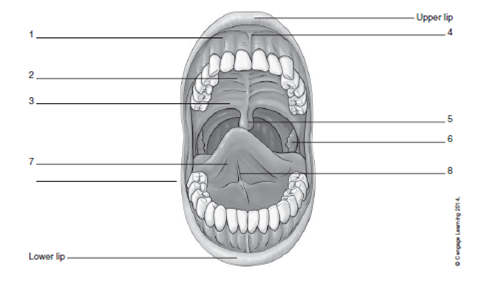
Label the diagram of the tongue and oral cavity. | Chegg.com
PDF Label Tongue Taste Diagram - mycohi.org Label Tongue Taste Diagram- Answers The tongue is a strong muscle in the mouth that is covered with papillae (small bumps on the tongue) and taste buds (that sense bitter, salty, sweet, and sour tastes). The taste buds are clustered along the sides of the tongue. Read the descriptions, then label the tongue below.
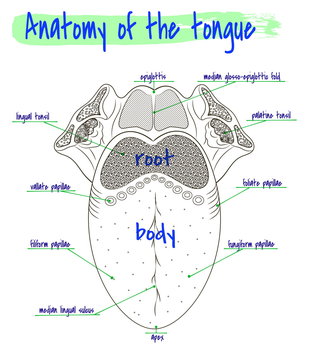
anatomy of the human tongue Stock Vector | Adobe Stock
Digestive system label diagram - Teaching resources
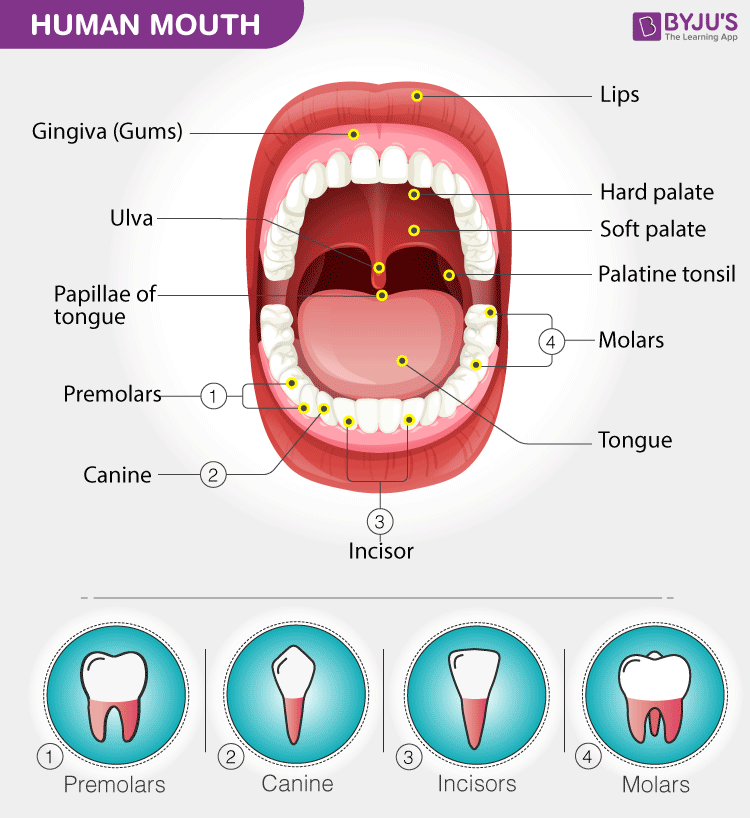
Human Mouth - Diagram

Vector Illustration Of Diagram Of Human Tongue Anatomy ...
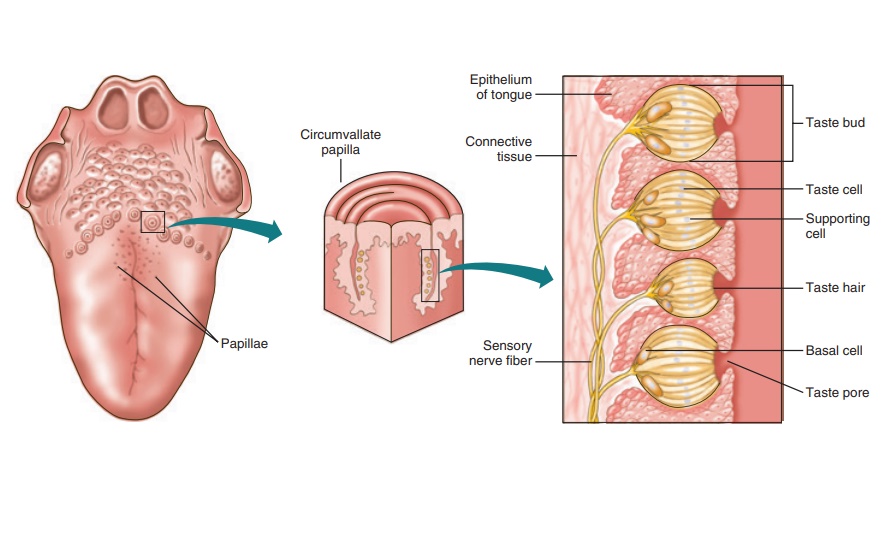
Mouth - Structure, Function | Digestive System | Anatomy and ...

Organs of Speech with diagram | Classification of Organs of ...

Draw a neat diagram of your tongue and label it's buds ...
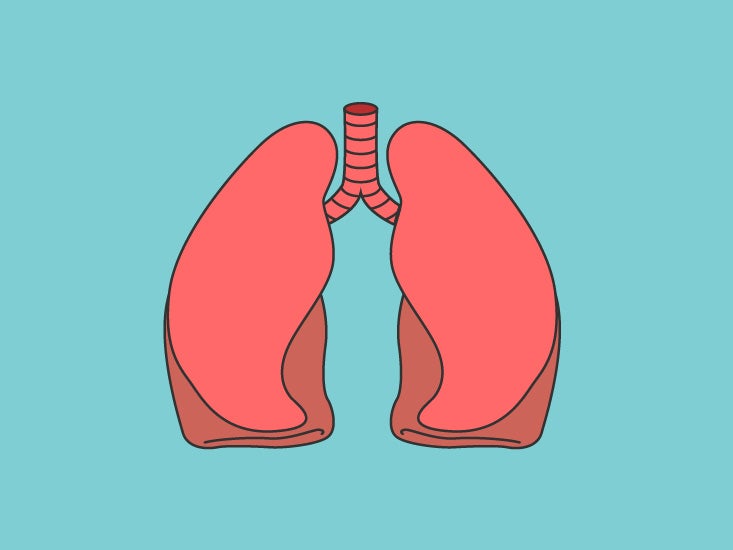
Chest Organs Anatomy, Diagram & Function | Body Maps

Draw and label the diagrams, showing the structure of the (AS ...

Draw a sketch of the tongue. label the part of the tongue ...
Solved] Define an articulator. Label all the articulators in ...
Oral Cavity Anatomy: Image Details - NCI Visuals Online
Label Tongue Taste Areas Diagram

Ch. 15 Special Senses - Parts of the Tongue Diagram | Quizlet

Lingual papillae - Wikipedia

Parts of the Human Tongue - Alison's Montessori Blog
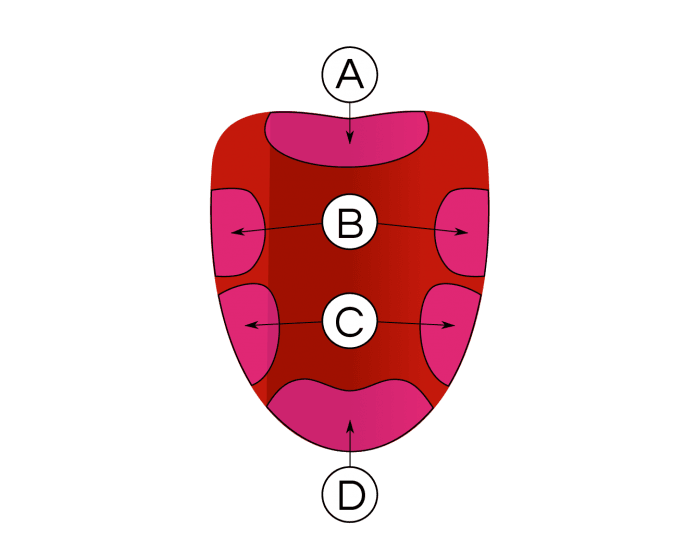
Tongue Diagram: Label Quiz
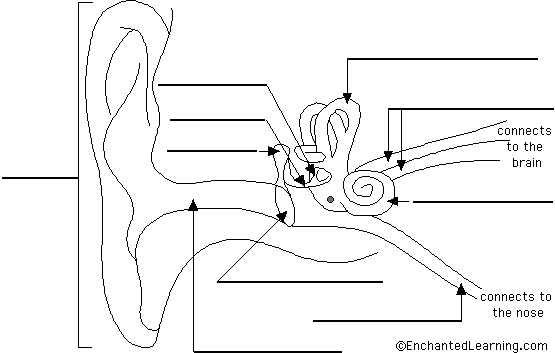
Label Ear Diagram Printout - EnchantedLearning.com

Tasting tongue diagram with parts names | Tongue tasting drawing | How to draw A Tongue step by step
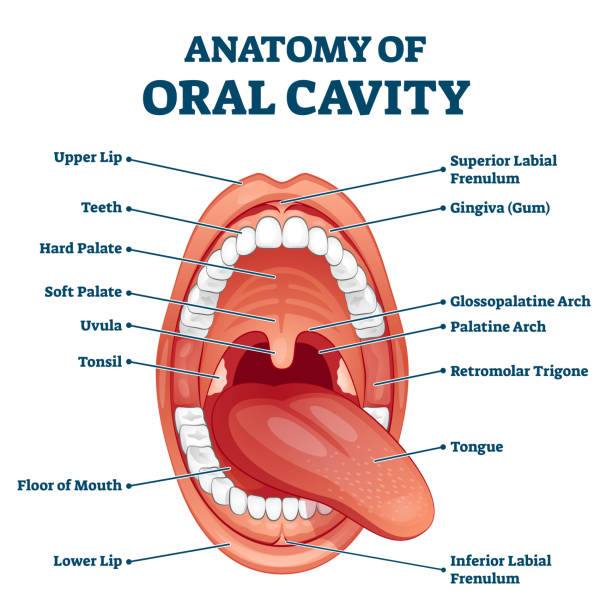
4,500+ Human Mouth Anatomy Illustrations, Royalty-Free Vector ...

label the parts of tounge with diagram - Brainly.in

Tongue diagram Stock Photos, Royalty Free Tongue diagram ...

Dorsal Surface Of Tongue And Taste Buds Stock Photo, Picture ...
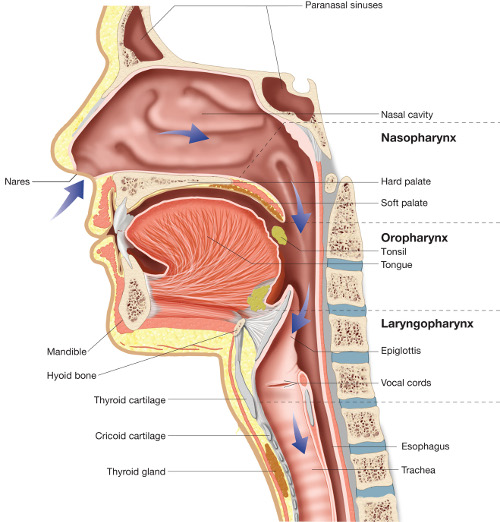
Understanding The Airway Part 2 — Hands On Therapeutics

Parts of the Mouth Diagram Labeling Worksheet - Science

Tongue label Diagram | Quizlet
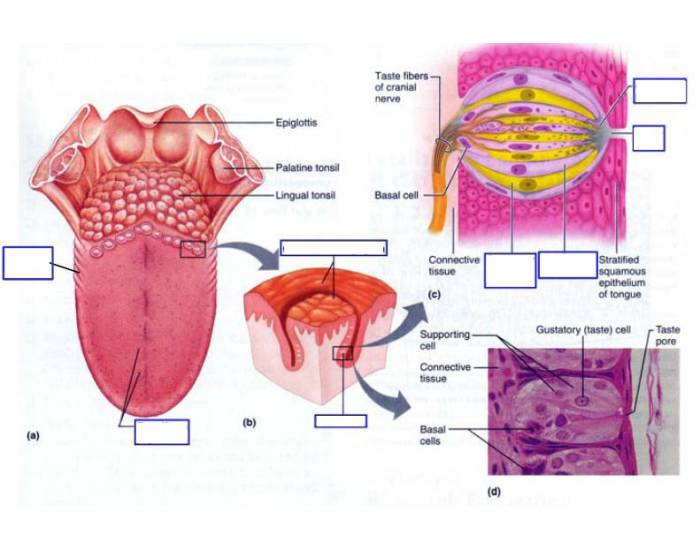
Gustatory Cells Quiz
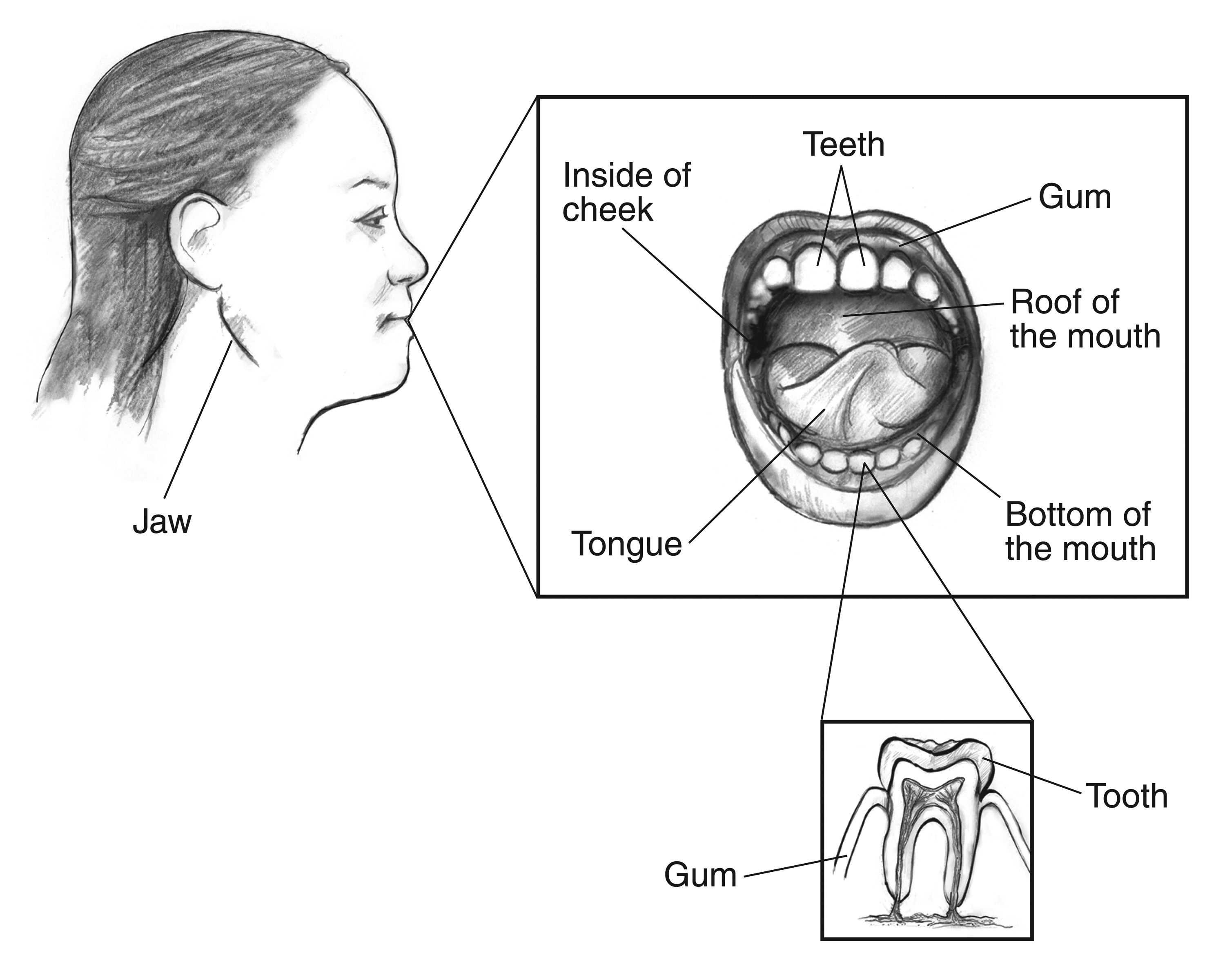
Woman's face with the jaw labeled - Media Asset - NIDDK

Speech Exercises
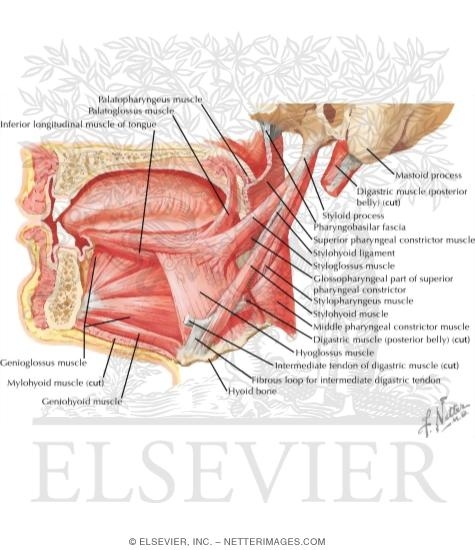
Oral Cavity: Tongue

List of Papillae of Tongue – Location and Histology
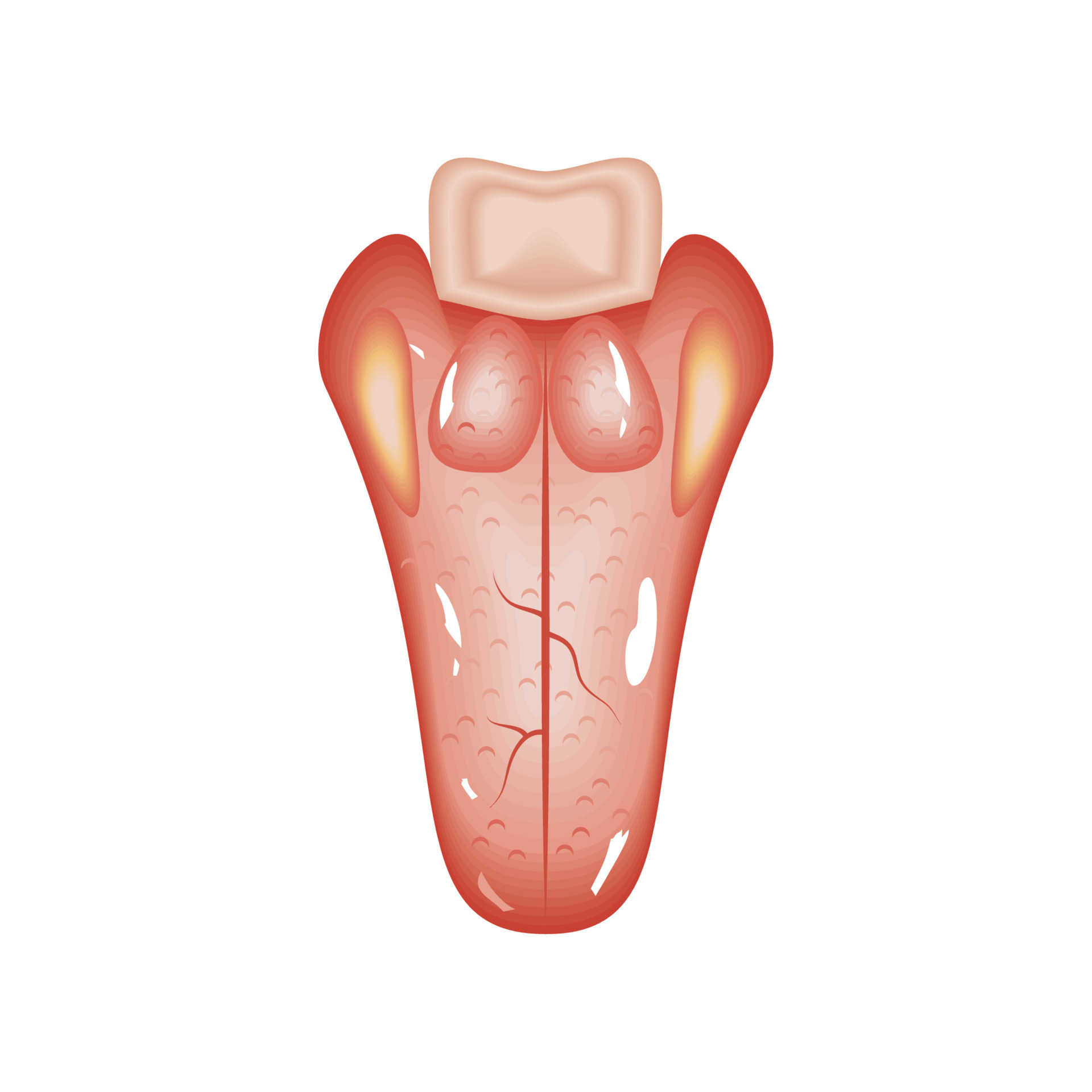
tongue human organ 10422978 Vector Art at Vecteezy

Label Diagram: Ventral Side of Tongue Diagram | Quizlet

Buccal cavity: Structure, Diagram, Role of Digestion ...
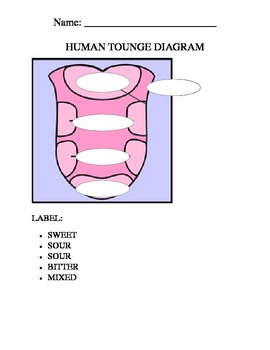
Tongue Diagram
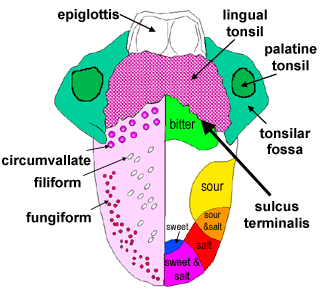
Oral: The Histology Guide
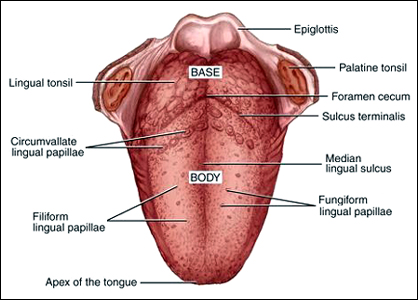
PHYS: Taste Lab - Zannie's Science Page
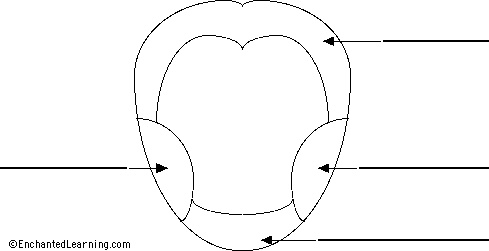
Label Tongue Taste Areas Printout - EnchantedLearning.com
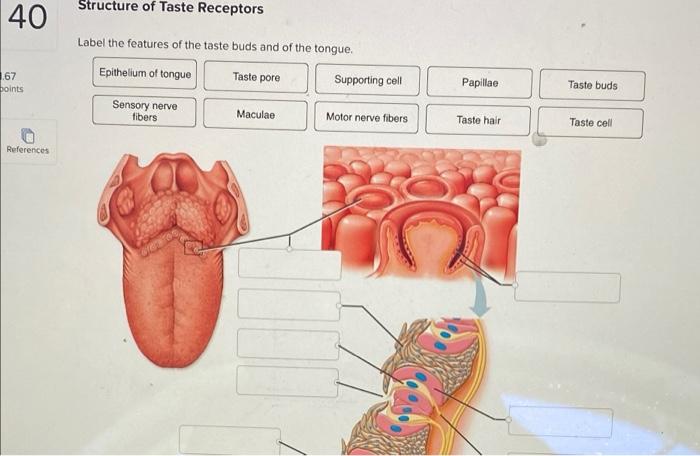
Solved Structure of Taste Receptors 40 Label the features of ...

American Drink | Questionable Taste: An Intro to Bitters
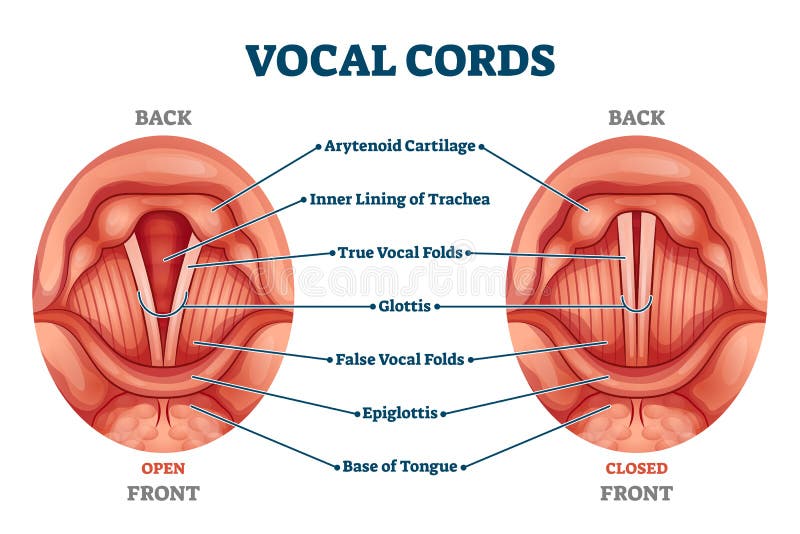
Structure Tongue Stock Illustrations – 672 Structure Tongue ...
Post a Comment for "42 tongue label diagram"